
Why Basement Waterproofing Matters for Richmond Homes and Businesses
Basement waterproofing stops water from entering below-grade spaces by managing surface runoff, groundwater, and weak points in a building’s envelope. In Richmond, VA, our local climate and soil types raise the odds of moisture problems, so homeowners and business owners need clear guidance. This guide explains why Richmond basements are vulnerable, how to spot early and hidden signs of water intrusion, and which systems—interior drains, exterior membranes, sump pumps, French drains, and crawl space encapsulation—work best for different causes. You’ll learn how hydrostatic pressure damages foundations, practical inspection checks, and realistic budgeting steps for repairs and preventive systems. We also compare common solutions, list pros and cons, and show the measurable benefits of hiring a professional so you can weigh long-term value against upfront cost. Finally, we explain how local contractors implement these systems and when to request an on-site estimate to protect your property and indoor health.
Knowing local geology and groundwater behavior is the first step to effective waterproofing.
Hydrogeologic Framework and Groundwater Flow in Richmond, VA
Basement waterproofing focuses on controlling surface runoff, groundwater, and entry points to keep below-grade spaces dry—an especially important task in Richmond, where climate and soil raise moisture risk. This summary outlines why local basements are vulnerable, how to recognize signs of water problems, and which systems—interior drainage, exterior membranes, sump pumps, French drains, and crawl space encapsulation—are commonly used to address specific causes. It connects hydrostatic pressure to foundation damage and offers practical inspection and budgeting guidance.
Hydrogeologic framework, analysis of ground-water flow, and relations to regional flow in the Fall Zone near Richmond, Virginia, 1997
What Makes Richmond VA Basements Vulnerable to Water Damage?
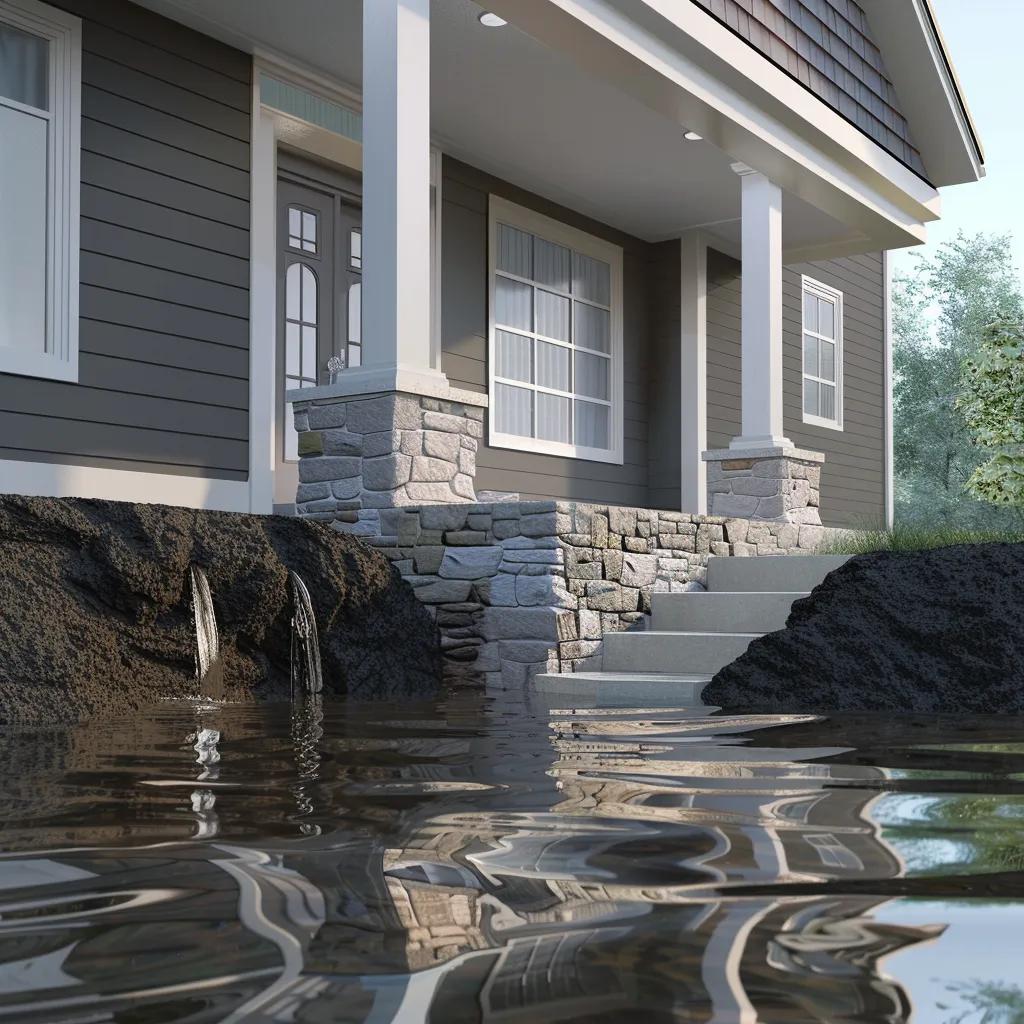
Richmond basements face higher water risk because of a humid subtropical climate that delivers heavy storms and sustained humidity, and because many local soils are clay-heavy and slow to drain. Heavy rain increases surface runoff and pushes up the groundwater table, while clay soils hold water and expand—creating hydrostatic pressure against foundation walls and slabs. That pressure forces moisture through tiny gaps, so understanding both weather patterns and soil behavior is essential when choosing an effective waterproofing plan. The sections below break down how Richmond’s climate and soils increase moisture loads and what that means for mitigation choices.
How Does Richmond’s Humid Subtropical Climate Affect Basements?
Richmond’s climate brings frequent summer storms and high humidity, which drive both episodic flooding and ongoing dampness. Heavy rain events can quickly saturate soils and lift the water table, making seepage through joints, window wells, and porous materials more likely. Even between storms, high relative humidity can cause condensation on cool basement surfaces, keeping areas damp and creating ideal conditions for mold. Recognizing the dual problem—storm-driven inflow and chronic humidity—helps homeowners prioritize systems that control incoming water and manage interior moisture.
Why Does Richmond’s Clay-Heavy Soil Increase Hydrostatic Pressure?
Clay-rich soils have small particles and low permeability, so they retain water and swell when saturated. That swelling transmits lateral force to foundation walls—hydrostatic pressure—which pushes groundwater through hairline cracks, unsealed joints, and porous masonry. After a significant rain, even a previously dry basement can begin to seep as the local groundwater rises. Because soil type strongly influences which fixes will work, comparing source-control options (like exterior drainage) with interior management (like sump pumps and drain channels) is a key step in finding a cost-effective solution.
What Are the Common Signs and Risks of Basement Water Problems in Richmond VA?
Both obvious and subtle signs point to a moisture problem. Catching issues early reduces health risks and structural damage. Visible clues—stains, efflorescence, peeling paint, and standing water—point to active leaks or seepage. Hidden clues—musty odors, elevated indoor humidity, and rust or corrosion on mechanical equipment—often reveal chronic moisture that can be harder to see. Ignoring these signs accelerates material decay, invites mold growth, and lowers property value, so it’s important to know how to tell a warning sign from an emergency that needs immediate action.
What Are the Typical Signs of a Wet Basement in Richmond?
Look for clear warning signals: water stains on walls or floors, white mineral deposits (efflorescence) on masonry, blistering or peeling paint, and puddles or damp spots after heavy rain. Other clues include musty smells, discoloration around window wells or joints, and new or widening foundation cracks. Early detection—tracing stains to downspouts, checking yard grading, and tracking humidity—lets you target diagnostics and prioritize repairs before problems get worse.
What Are the Structural and Health Risks of Ignoring Basement Moisture?
Left unchecked, moisture speeds up structural deterioration and creates health hazards. Persistent dampness encourages mold and mildew, which can worsen asthma and allergy symptoms. Corrosion from moisture can damage HVAC and electrical equipment stored in basements. Structurally, repeated wet–dry cycles and hydrostatic pressure can enlarge cracks, undermine footings, and lead to costly foundation repair. Acting early with targeted waterproofing typically costs less than waiting until visible structural damage appears.
Which Basement Waterproofing Solutions Are Most Effective in Richmond VA?
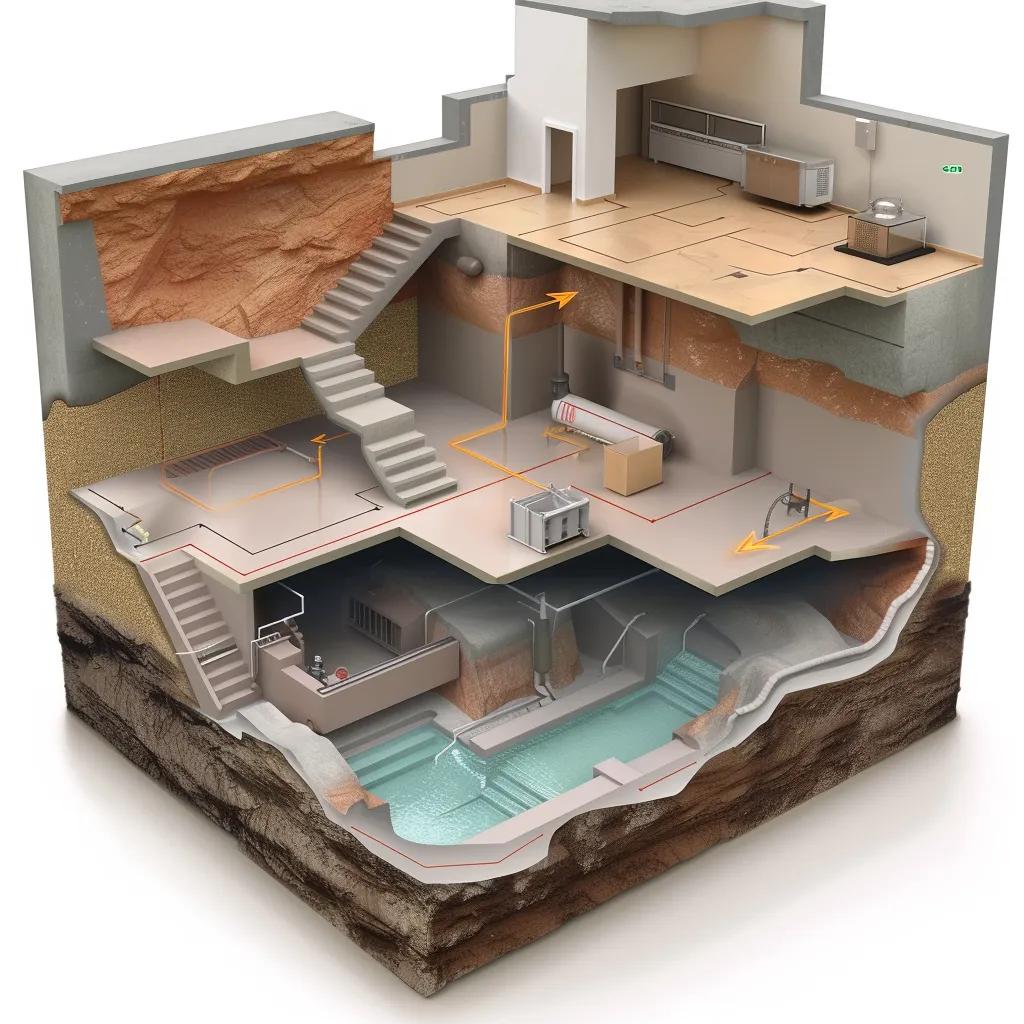
In Richmond, a layered approach—combining source control outside the foundation with reliable interior systems—is often the most effective. Interior drainage and sump pumps capture and remove water that reaches the foundation; exterior membranes and excavation stop water before it hits the wall; French drains redirect lateral groundwater; and crawl space encapsulation limits vapor transmission and improves basement air. The right mix depends on the pattern of water entry: seepage without structural failure often responds well to interior drainage, while active wall failures or very high external water tables may need exterior solutions. Below is a concise comparison to help match cause to remedy.
Here’s a short list summarizing top solutions and when to choose them:
- Interior drainage with sump pump: Ideal when water enters during storms and exterior access is limited.
- Exterior membrane and drainage: Best when you can correct source water with excavation and regrading.
- French drain installation: Effective for consistently moving lateral groundwater away from foundations.
- Crawl space encapsulation: Best for cutting vapor transfer and improving basement air quality.
This table shows how each approach works and the main trade-offs.
How footing drains are routed or disconnected can affect basement flooding and sewer system impacts.
Footing Drain Disconnection for Basement Flooding and SSO Prevention
Communities have used footing drain disconnection and other inflow/infiltration controls to reduce basement backups and sanitary sewer overflows. When footing drains tie into sanitary sewers, stormwater can overload systems and lead to backups. Case studies show that coordinated planning—city staff, residents, and engineers—helps identify where disconnecting footing drains or rerouting storm flows reduces both sewer overloads and basement flooding.
Effective I/I Removal with Footing Drain Disconnection as a Solution for SSO and Basement Flooding, 2005
That comparison explains why many Richmond properties do best with a layered plan—interior systems for immediate protection plus exterior fixes when practical to lower long-term hydrostatic stress. BDry Basement Waterproofing installs the common solutions used in these layered plans—interior and exterior waterproofing, sump pumps, French drains, crawl space encapsulation, basement crack repair, and foundation repair—tailoring each approach to Richmond’s conditions.
How Do Interior and Exterior Waterproofing Methods Protect Richmond Basements?
Interior systems intercept and channel water that has already breached the exterior, routing it to a sump pit and pump to keep finishes and storage dry. They’re less disruptive to landscaping and quicker to install, which makes them a common first choice. Exterior waterproofing works at the source by adding membranes and drain tiles outside the foundation so water never reaches the wall assembly; it’s often longer-lasting but requires excavation and regrading. Weighing disruption, cost, and permanence helps property owners choose the strategy that fits their site and long-term plans.
Choosing the right waterproofing membrane affects both upfront cost and future repairability.
Manual of Below-Grade Waterproofing: Membranes and Costs
Waterproofing membranes can be costly to install and, in some cases, challenging to repair. Manuals and industry guidance recommend selecting membranes with proven durability and considering repair access when planning an installation. Thermoplastic and other continuously-welded membranes are often chosen for sites where continuous wet exposure is likely.
The manual of below-grade waterproofing, 2016
What Roles Do Sump Pumps, French Drains, and Crawl Space Encapsulation Play?
Sump pumps, French drains, and encapsulation each solve different parts of the moisture problem and are commonly used together. A sump pump removes collected groundwater from an interior pit and discharges it away from the building—critical during heavy inflow. French drains capture lateral groundwater at or below footing level and move it away from the foundation to reduce hydrostatic pressure. Crawl space encapsulation seals the soil with a vapor barrier and sealing details that block moisture and improve air quality; add a dehumidifier and you cut HVAC load and mold risk. Combining these solutions—for example, interior drainage feeding a sump pump plus an exterior French drain—adds redundancy that suits Richmond’s variable moisture drivers.
How Does Professional Basement Waterproofing Benefit Richmond Homeowners and Businesses?
Professional waterproofing gives measurable, lasting results because trained contractors evaluate soil, grade, and structural conditions and design systems that reduce recurrence and collateral damage. Benefits include better indoor air quality, lower long-term repair costs by addressing hydrostatic causes, and more usable, finishable basement space that adds property value. Professionals also install systems to code and integrate them with building plumbing and drainage, reducing failure risk and avoiding common DIY mistakes. Below we summarize typical measurable improvements and explain how workmanship affects durability and performance.
Primary outcomes you should expect from professional waterproofing:
- Fewer moisture-related odors and lower indoor humidity for better air quality.
- Slower foundation crack progression and reduced risk of major structural repairs.
- More dry, usable square footage that can be finished or used as storage.
This shows how professional systems protect value and occupant health. Choosing a licensed, insured local contractor gives you code compliance and liability protection—BDry Basement Waterproofing is VA licensed and insured and offers free estimates plus flexible payment plans to help Richmond property owners plan and budget work effectively.
How Does Waterproofing Improve Indoor Air Quality and Health?
Cutting basement moisture reduces conditions that fuel mold and mildew, which lowers airborne allergens and helps respiratory health. Sealing foundation penetrations, installing interior drainage, and encapsulating crawl spaces limit the ongoing moisture supply that supports fungal growth and pests. Lower humidity also reduces condensation on ducts and mechanicals, slowing corrosion and limiting HVAC mold. After professional waterproofing, continue to monitor humidity and maintain ventilation to keep the gains in place—simple periodic checks prevent recurrence.
In What Ways Does Waterproofing Increase Property Value and Energy Efficiency?
Dry basements expand usable space and make homes more marketable—finished, code-compliant basements can add resale value. Waterproofing also improves energy performance because drier insulation works better and the HVAC system faces a lower latent load, which can reduce heating and cooling demand for conditioned basements. Buyers often value documented waterproofing work and professional installation as risk reduction, which can strengthen offers. Treating waterproofing as a value-preserving upgrade clarifies the ROI beyond immediate repair savings.
What Factors Influence Basement Waterproofing Costs in Richmond VA?
Costs depend on system choice (interior vs. exterior), site access, soil and water-table conditions, the extent of foundation damage, and any needed structural repairs. Interior systems require less excavation and generally cost less up front, while exterior membranes and drain-tile work raise costs because of excavation, membrane materials, and regrading. Tight yards, complex landscaping, and nearby utilities increase labor and equipment needs. The table below compares typical cost drivers to help homeowners plan and prioritize work.
Introductory note before the cost table: the table below highlights common cost ranges and what drives them.
How Do Interior and Exterior Waterproofing Costs Compare?
Interior systems are generally less disruptive and cheaper up front because they avoid major excavation. Exterior membrane and drain-tile work requires digging around the foundation and regrading, which adds time and cost but often delivers more permanent source control. Long-term cost-effectiveness depends on your site: properties with high external water tables or poor grading may save money over time with exterior repairs, while other homes get effective protection faster and cheaper with interior systems. A professional assessment helps you balance budget and durability.
What Are the Key Factors Affecting Pricing for Richmond Basements?
Soil type, hydrostatic pressure, foundation access, the need for structural repairs, and landscape complexity all influence price and scope. Clay soils that retain water can require deeper or more robust drainage, and limited access increases labor and equipment costs. Finished basements, utility conflicts, or permit needs add complexity and expense. Use a simple diagnostic checklist—visible water patterns, grading, and access—to estimate complexity before requesting an estimate, and let a professional translate those observations into a clear scope and budget.
Why Choose BDry Basement Waterproofing for Richmond VA Basement Repair?
BDry Basement Waterproofing is a Richmond-based contractor focused on practical, site-specific waterproofing solutions for our local climate and soils. We offer the services Richmond homeowners commonly need—interior and exterior waterproofing, crack and foundation repair, crawl space encapsulation, sump pump and French drain installation—applied with attention to grading and hydrostatic conditions. BDry is VA licensed and insured for your protection, and we provide free on-site estimates and flexible payment options to help you plan work and act when needed. The sections below describe our credentials and how customer feedback helps guide hiring decisions.
What Experience and Credentials Does BDry Bring to Richmond Customers?
BDry brings local knowledge and the practical credentials that matter for Richmond projects: we are VA licensed and insured, which signals compliance with state rules and coverage for customers during work. Local experience matters because familiarity with Richmond’s humid climate and clay soils improves system selection and long-term results—helping avoid partial fixes. Our service list lets us combine interior systems, sump pumps, French drains, and encapsulation when a job calls for an integrated approach. Those credentials help homeowners choose installers with both technical skill and local relevance.
How Do Customer Reviews Reflect BDry’s Commitment to Quality and Satisfaction?
Positive customer feedback in local search and review sites is one indicator of reliable workmanship and good communication. While we don’t reproduce specific quotes here, favorable reviews typically reflect consistent delivery on scope, schedule, and cleanup. When vetting any contractor, review public feedback, request references, and verify licensing during the free estimate process. Comparing reviews alongside credentials and a detailed written quote gives you confidence when selecting a provider.
If you’re ready to address basement moisture, BDry offers local expertise, a complete menu of waterproofing and foundation services, VA licensing and insurance, free estimates, and flexible payment plans—practical supports that translate diagnosis into durable, site-appropriate solutions. Request a free estimate to get a tailored plan for your property.
Frequently Asked Questions
What are the long-term benefits of basement waterproofing?
Long-term benefits include better indoor air quality, lower mold risk, and preserved structural integrity. Keeping water out prevents costly repairs to finishes and foundations and lets you use basement space safely. Regular maintenance and professional installations often pay off over time by avoiding bigger repairs later.
How often should I inspect my basement for water issues?
Inspect at least twice a year—spring and fall are good times—to catch problems early. Look for stains, efflorescence, mold, or new cracks, and check humidity and drainage systems. After heavy storms or any sign of new water entry, inspect immediately.
Can I waterproof my basement myself, or should I hire a professional?
Some small tasks—sealing small cracks, improving downspouts and grading—are DIY-friendly. For comprehensive solutions, structural concerns, or systems tied into plumbing and drainage, hiring a professional is recommended. Pros ensure code compliance and reduce the risk of recurring problems.
What is the role of drainage systems in basement waterproofing?
Drainage systems manage where water goes so it doesn’t sit against the foundation. Interior drains and sump pumps handle water that reaches the basement; exterior drains, membranes, and French drains stop or redirect water before it reaches the foundation. Together they reduce hydrostatic pressure and lower the chance of water intrusion.
How does climate affect basement waterproofing needs?
Climate drives how much surface and subsurface water your property must handle. In humid, storm-prone areas like Richmond, plan for both heavy rain events and chronic humidity—meaning you may need systems that control runoff and reduce interior moisture simultaneously.
What should I do if I notice signs of water damage in my basement?
Act quickly: identify the likely source (leaking pipe, poor grading, or groundwater), stop any active leaks if safe to do so, and mitigate standing water. Then schedule a professional assessment to determine a permanent fix—early intervention limits damage and expense.
Are there any warranties or guarantees with professional waterproofing services?
Many companies offer warranties on materials and workmanship; terms vary by provider and system. Ask about warranty length, what’s covered, and any conditions before work begins. A solid warranty adds protection and peace of mind for your investment.
Conclusion
Basement waterproofing protects Richmond homes and businesses from moisture, supports healthier indoor air, and preserves property value. By understanding local climate and soil conditions, you can choose solutions that match your needs and budget. Working with a licensed, local contractor like BDry Basement Waterproofing ensures expert assessment and professional installation. Take the next step—request a free estimate and protect your property today.